
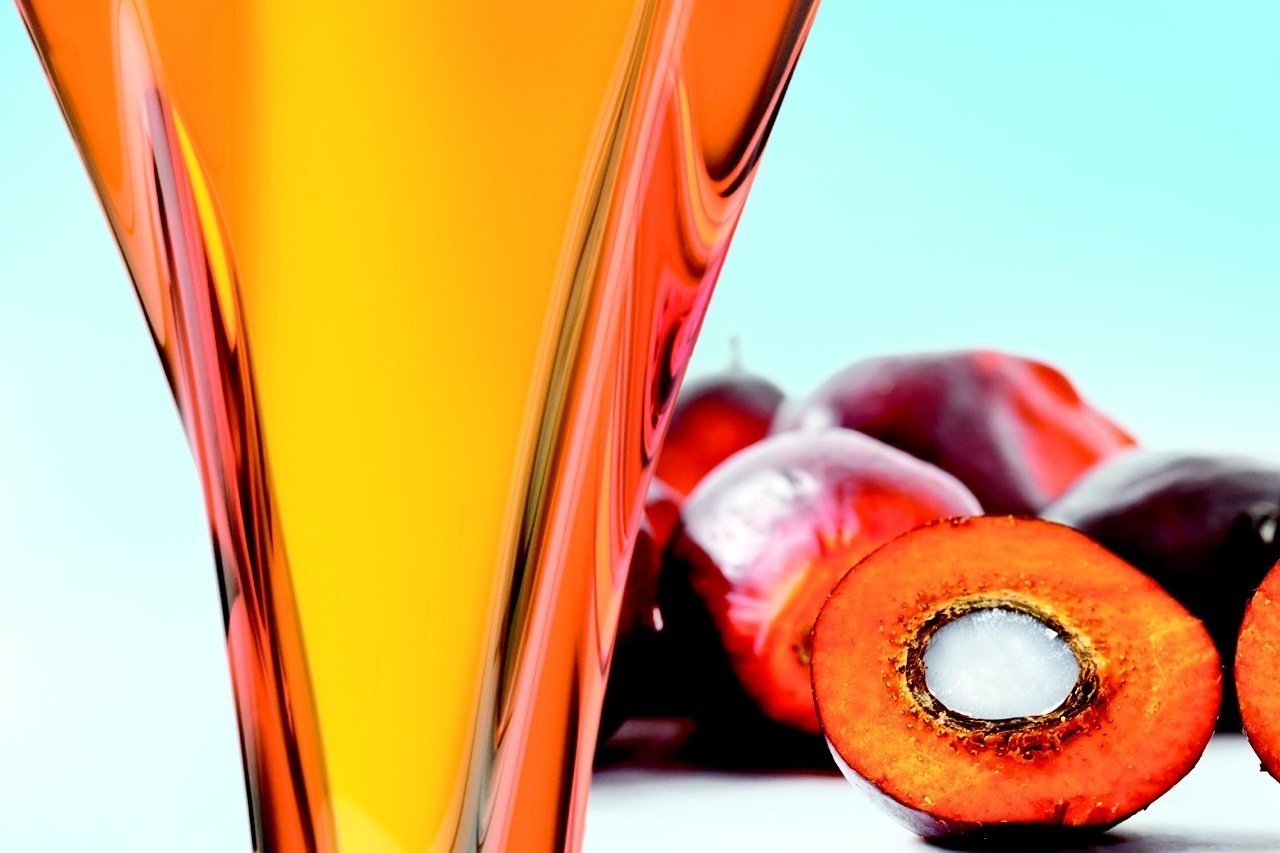
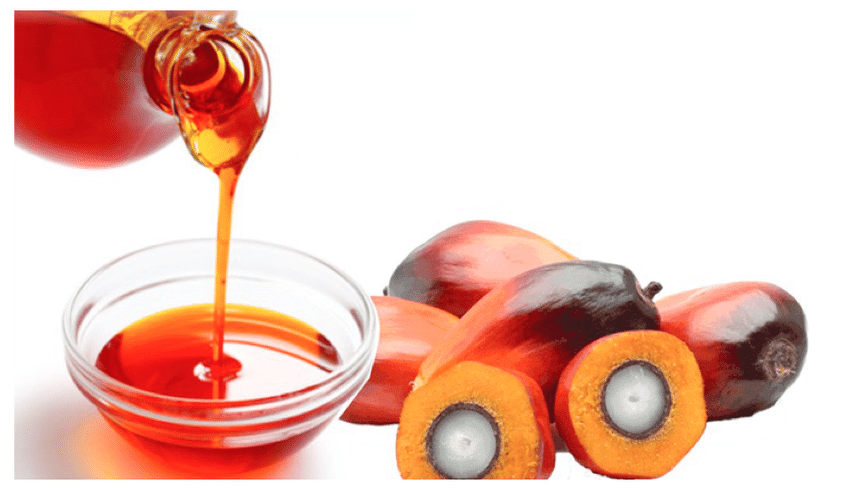
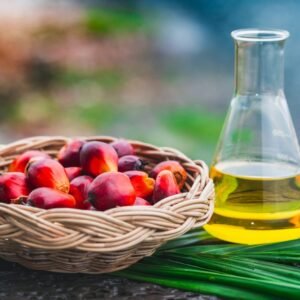
Crude Palm Oil (CPO) is pure and inedible oil (Unbleached) which is extracted and produced from the pulp of fruit of palm. The color of pulp is red. That’s why crude palm oil is naturally similar to pulp color because of high inactive Vitamin A content. It is different from kernel oil or coconut oil. Commonly it is combined or mixed with coconut oil to make highly saturated vegetable fat, which is also used for cooking purposes.
Main usage of crude palm oil is for cooking purposes and is largely used in South East Asia, West Africa and some parts of Brazil. Commercial kitchens use it due to its low cost. It’s not healthy as its counterparts due to high content of saturated fats. Largest producer of CPO is Indonesia, Malaysia, Nigeria and Columbia. They are major exporters of palm oil.
Besides cooking purposes and food products, palm oil and derivatives known as fractions of the oil are used in the manufacture of pre–packaged food, cosmetics, cleaning products, hair care, soaps and personal care items. Palm wax is used in the manufacture of candles. It is also used to manufacture biofuel for motor vehicles, shipping and aircraft fuel and one of its by–products is glycerin.
Crude palm oil, like all fats, is composed of fatty acids, esterified with glycerol. Palm oil has an especially high concentration of saturated fat, specifically the 16–carbon saturated fatty acid, palmitic acid, to which it gives its name. Monounsaturated oleic acid is also a major constituent of palm oil. Unrefined palm (Unbleached) oil is a significant source of Tocotrienol, part of the vitamin E family. Red palm oil is rich in carotenes, such as αlpha–carotene, ßeta–carotene and Lycopene, which give it a characteristic dark red color. However, palm oil that has been refined, bleached and deodorized from crude palm oil (called “RBD palm oil“) does not contain carotenes.
Reviews
There are no reviews yet.